Turning Weaknesses into Strengths: How to Answer the “What’s Your Greatest Weakness?” Question in Interviews
Jul 18, 2025
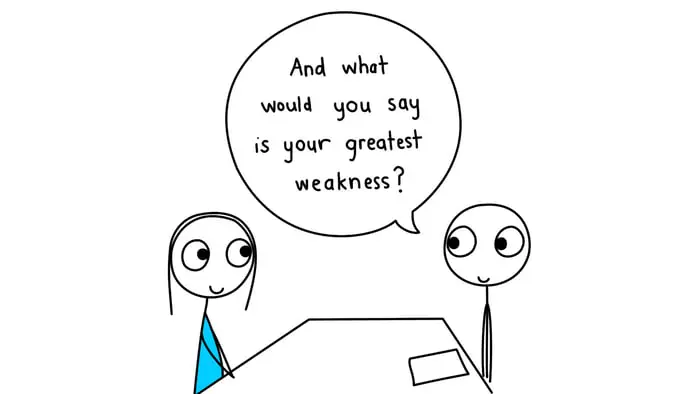
For job seekers actively navigating the interview process, one of the most dreaded questions is, “What’s your greatest weakness?” It feels like a trap, how do you admit a flaw without sabotaging your chances? The key is to transform this question into an opportunity to showcase your self-awareness, problem-solving skills, and growth mindset. By using the STAR method (Situation, Task, Action, Result), you can craft a compelling story that highlights a real weakness, the steps you took to address it, and the positive outcomes that followed. This approach not only answers the question but also demonstrates your ability to learn and adapt, qualities that employers value highly in today’s competitive job market.
The STAR method is a structured framework that helps you deliver clear, concise, and impactful responses. Start by describing the Situation, the context of your weakness, such as a specific role or challenge. Next, explain the Task, what your responsibilities were in that situation. Then, detail the Action you took to overcome the weakness, such as seeking training or implementing new strategies. Finally, share the Result, the measurable or observable improvement that came from your efforts. This method keeps your answer organized and professional, ensuring you stay focused on growth rather than dwelling on the flaw. For job seekers, mastering this technique can make even the toughest questions feel manageable.
Consider this example: Early in a marketing assistant’s career, public speaking was a significant hurdle. Presenting campaign ideas to clients felt daunting, often leading to shaky deliveries. The role demanded confident pitches to secure project approvals, so this weakness needed addressing. The candidate joined a local Toastmasters club to practice public speaking and sought feedback from colleagues to refine their approach. They also worked on structuring presentations more clearly. Within six months, they led a client presentation that secured a $50,000 campaign contract. By continuing to practice, they turned a weakness into a strength, demonstrating resilience and initiative, qualities that resonate with hiring managers.
Another example involves a team lead on a software development project who struggled with delegating tasks. Initially, they took on too much themselves to ensure everything was done correctly, which slowed team progress. Their responsibility was to manage the team efficiently while meeting tight deadlines. Recognizing this weakness, they enrolled in a leadership course on effective delegation and implemented weekly check-ins to build trust in their team’s abilities. They also used project management tools to track progress without micromanaging. As a result, project delivery time improved by 15%, and team morale rose as members felt more empowered. This story highlights leadership growth and problem-solving, making it a strong response for interviewers.
When preparing your own answer, choose a weakness that’s genuine but not critical to the job. For example, avoid saying “I’m disorganized” if you’re applying for a project management role. Instead, pick something like difficulty prioritizing tasks or discomfort with unfamiliar software, then show how you’ve worked to improve. Be honest but strategic, and keep your response concise, aim for one to two minutes. Practice your STAR stories aloud to ensure they feel natural. For job seekers in the thick of interviews, this approach can turn a tricky question into a chance to shine, proving you’re not just capable but also committed to continuous improvement. If you’re facing specific roles or industries, tailor your examples to reflect relevant skills, and you’ll leave a lasting impression!